Author: Viktor

  • Three Machines That Taught Me Everything About What Not To Build

    Three Machines That Taught Me Everything About What Not To Build

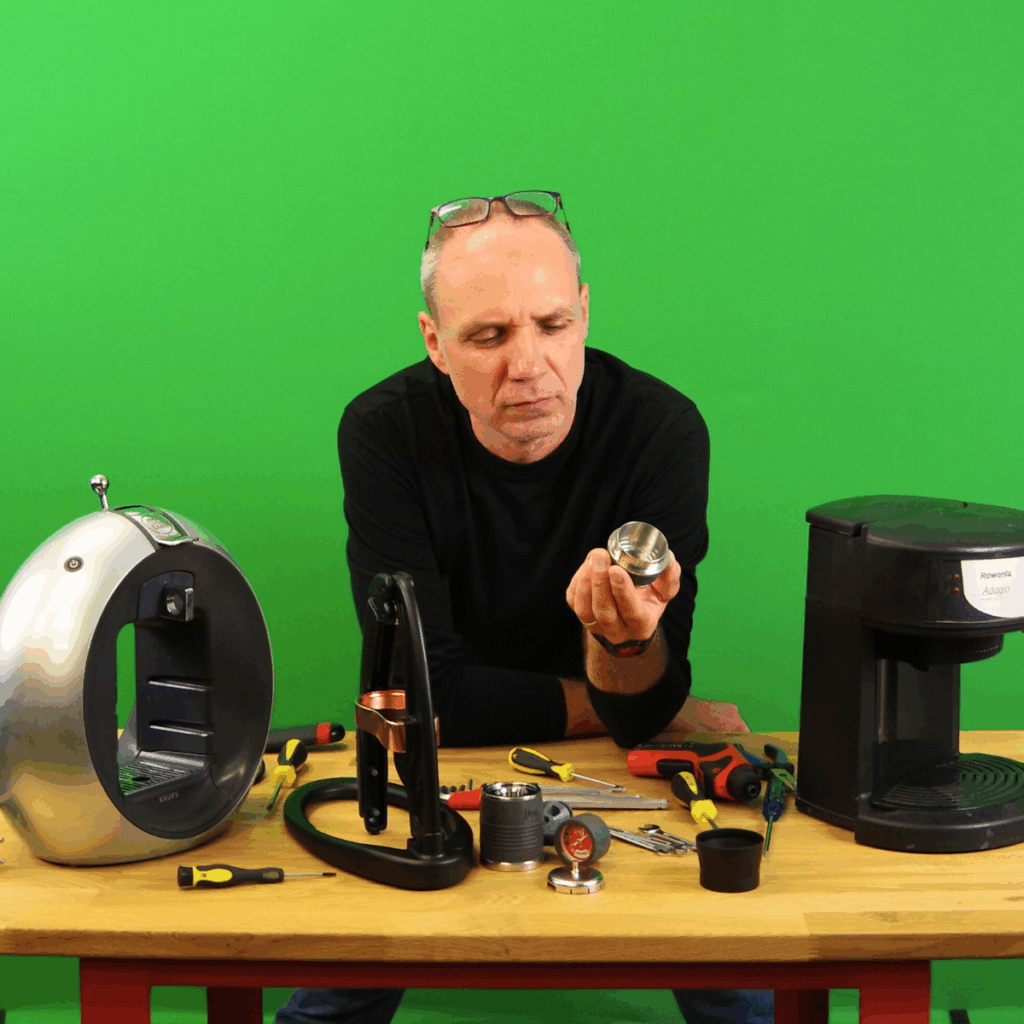
    There’s something unsettling about having your competitors’ products sitting on your workshop desk. Not because I’m planning to copy them – quite the opposite. Each one is teaching me exactly what my customers deserve instead.

    I won’t name names. That’s not my style, and honestly, it’s not productive. These aren’t bad companies or bad people. But studying their machines with €300 worth of Italian components spread around them, something becomes crystal clear: most of these products were designed by committees trying to hit price points, not by someone asking “what would make a maker proud to use this every morning?”

    The patterns emerge quickly. Plastic where metal should be, because plastic tests cheaper. Proprietary parts that force customers into expensive replacement cycles. Assembly processes that feel like following IKEA instructions rather than building something remarkable. Most telling of all: designs that prioritize looking impressive in photos over feeling substantial in your hands.

    Every compromise I’m uncovering is actually a specification for what I’m building. Where they chose plastic for cost, I’m speccing metal for the daily ritual. Where they locked customers into their ecosystem, I’m designing for standard Italian components that any serious barista can source. Where they optimized for quick assembly, I’m creating an experience that makes you proud of every decision you made.

    This isn’t about building a “better” espresso machine. It’s about building one that turns every morning coffee into a reminder: “I chose every piece of this. I built something that will outlast the trends.” That’s what separates a tool from an investment in your own capability.

    Sometimes the best way to innovate isn’t looking forward – it’s understanding exactly what you refuse to repeat.
  • The Dual-Basket Dilemma: Why I Spent Three Weeks Wrestling With An Unsolved Puzzle

    The Dual-Basket Dilemma: Why I Spent Three Weeks Wrestling With An Unsolved Puzzle

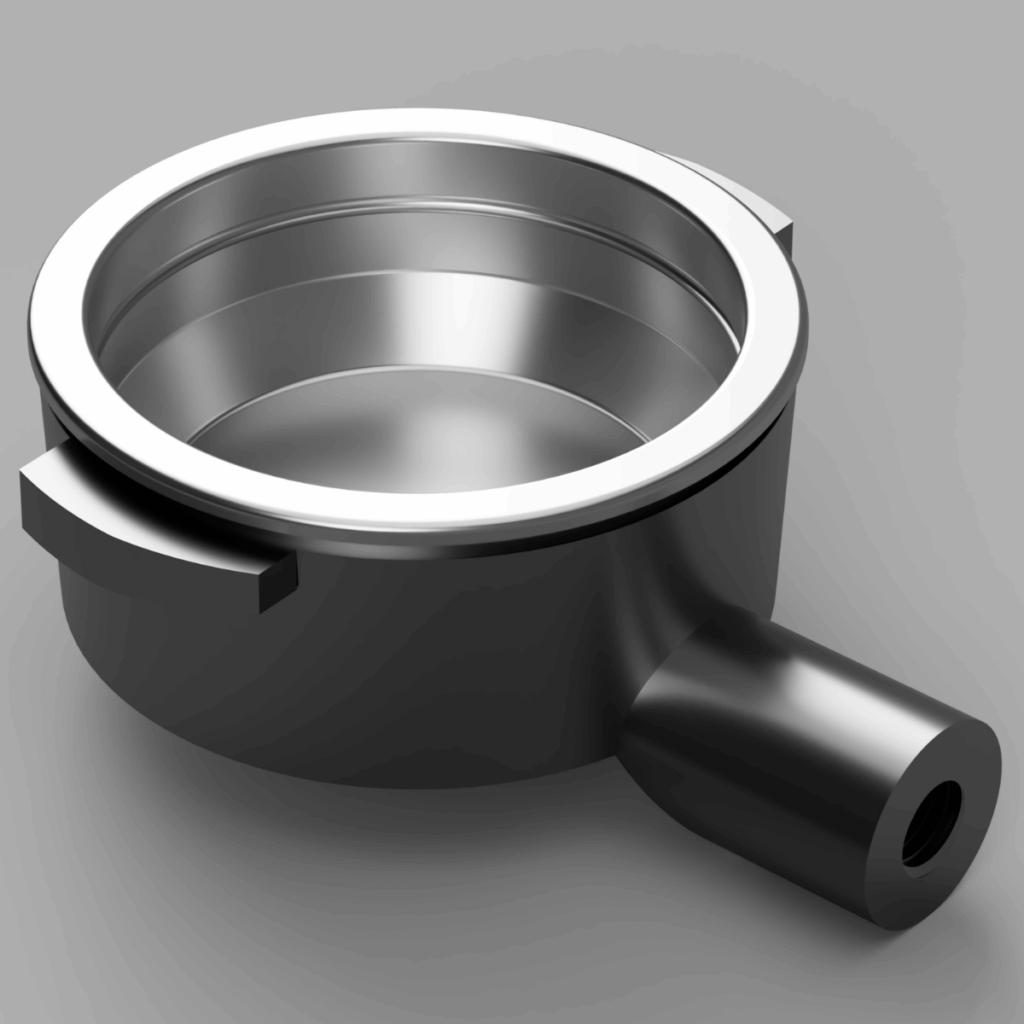
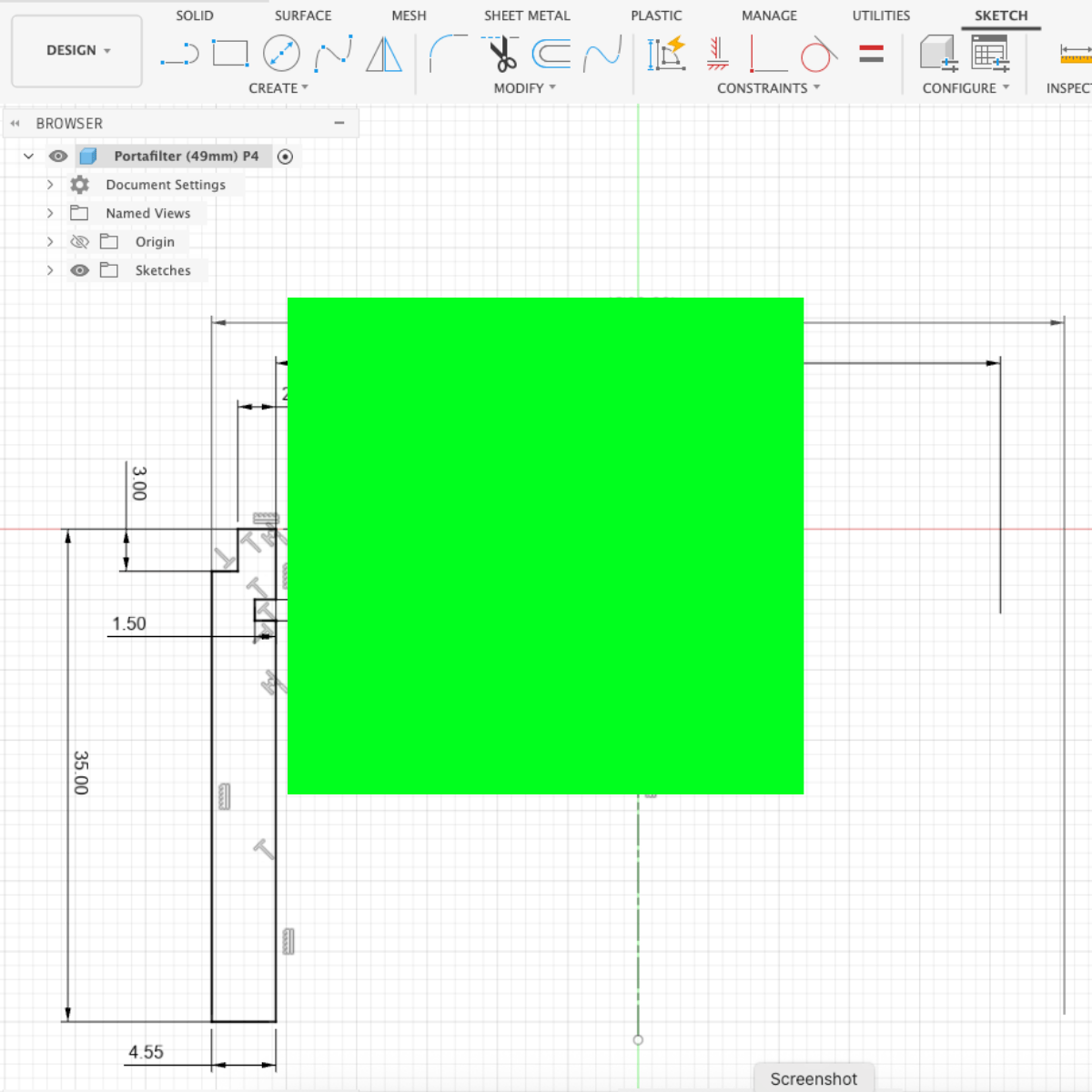
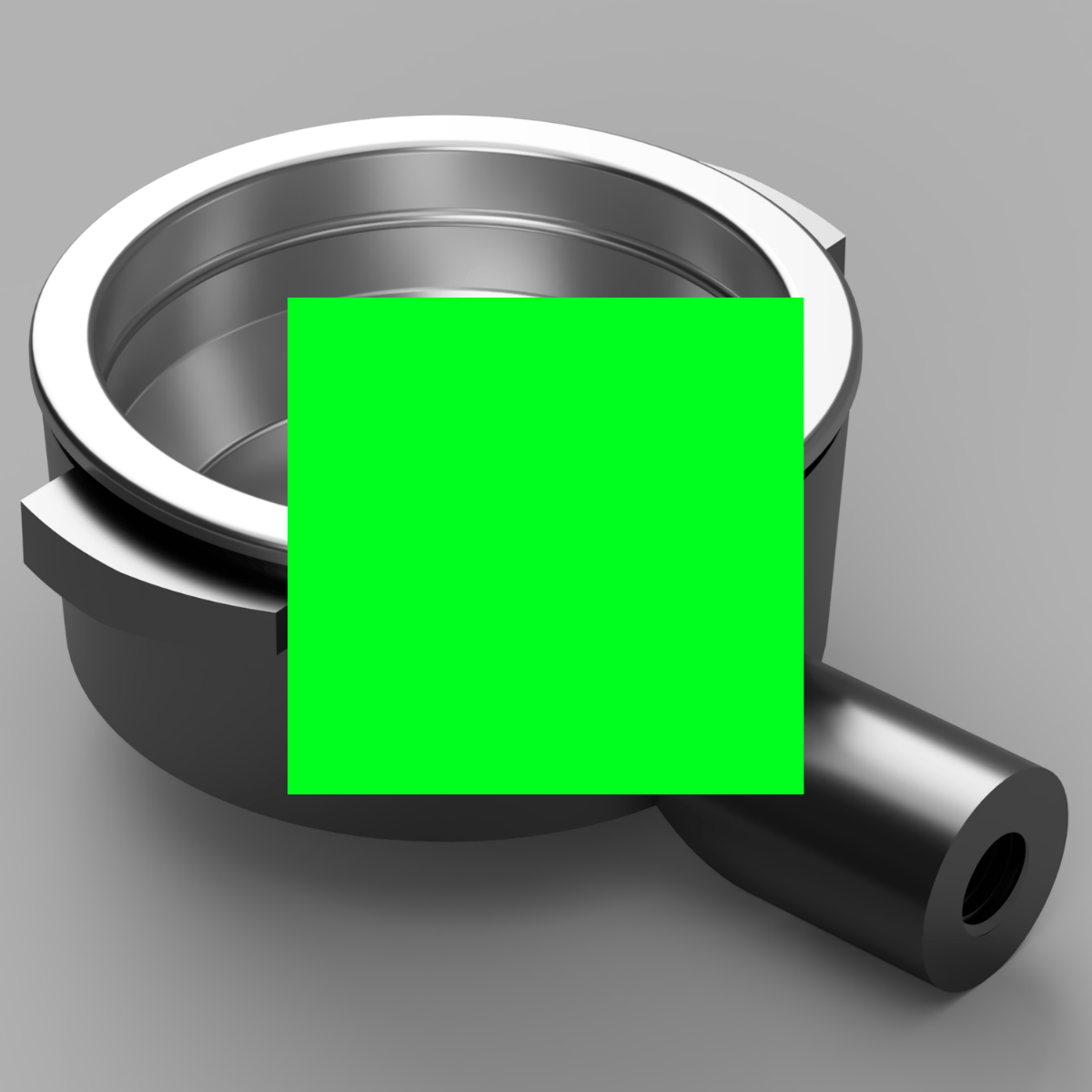
    Two months ago, I made a promise that’s been haunting my CAD sessions ever since: build an espresso machine that works perfectly with both 49mm and 58mm baskets. Nine millimeters doesn’t sound like much until you’re trying to engineer around it while using standard components from Italian suppliers.

    The customer story behind this obsession remains compelling. Your coffee journey shouldn’t be linear. Maybe you start with a 49mm basket – more forgiving, perfect for single shots, ideal when you’re learning to dial in your grind. But as your palate develops and your technique improves, you want the 58mm pro standard. Most machines force you to choose one path from day one.

    But after three weeks behind the CAD screen, diving deep into component catalogs from Italian producers, I’ll be honest: I haven’t cracked this puzzle yet. And that’s exactly why I’m building the first prototype with the 49mm basket system.

    Every iteration felt like solving a 3D puzzle where the pieces kept changing. Design the unique machined parts, contact suppliers, get quotes for surface treatments, realize a constraint won’t bend, redesign, repeat. The dual-basket feature remains one of my key differentiators, but I’ve learned that obsessing over unsolved problems can paralyze the entire project.

    So I made a decision: test the core concept first. When those Italian components arrive next week, I’ll build a prototype focused on what I know works – the 49mm system that handles the fundamentals beautifully. Heat management, pressure consistency, assembly experience, the satisfaction of building something remarkable.

    Once I prove the overall concept works – materials, dimensions, user experience, that daily ritual of pulling a lever on something you built – then I’ll return to the dual-basket challenge with real-world data instead of theoretical CAD models.

    Maybe I’ll solve it, maybe the 49mm system will be so good that customers won’t need the complexity. Either way, I’m not letting the perfect become the enemy of the remarkable.

    Sometimes the best engineering happens when you build first, then solve the elegant puzzles.

  • Basket Size

    Basket Size

    The basket size influences everything! It shapes the machine’s design and, ultimately, the espresso quality too. This was my first major decision-making milestone on my journey to design the espresso lever machine.

    At first, I thought about following the industry giants. Yes, that would be the easiest way to solve this dilemma. Their concept is proven, and many home barista machines also embrace the 58mm standard. But is it really the right choice? Does this 60-year-old standard still meet today’s trends and needs?

    On the other hand, I recall my first attempts with the smaller 51mm basket. It took me three tries to brew a decent espresso. Compared to the 58mm, I wasted a lot more coffee before I was satisfied. By the way, I inherited a machine from a friend who struggled (probably lacked patience) to pull a good shot after many tries and errors—so I know that easy handling and quick success are vital for beginners.

    Henry Ford once said, “Any customer can have a car painted any colour that he wants, so long as it is black”. That made sense when the market was immature and didn’t demand more. But today, coffee is about taste, mood, and relationships. Sometimes, all I want is to enjoy the silence with a single shot. Other times, I want to offer something special to friends—maybe a double shot, one for me and one for them.

    Offering two basket sizes makes my work a bit more complicated, but it’s a small price to pay for the perfect cup of espresso, whether it’s for friends or just for myself.

  • Benchmarking

    Benchmarking

    No, I’m not going to dive deep into the technical judgments of the two hand espresso machines, even though that was my original plan. But it will still be a benchmarking — a different kind of benchmarking than we’re used to. Here we go.

    I love coffee. I love the process. But I’m also a creator — and creators need more than just great coffee. We need the connection that comes from building something truly ours.

    Every time I brewed espresso on the Flair machines, I kept asking myself the same question: “What if I could build this myself, exactly how I want it?” The PRO 3 and their flagship, the 58+, are well-crafted machines, but they left me feeling like a sophisticated user, not a creator. I wanted that connection — the satisfaction of knowing every component, every design decision, every choice was mine. Because I am a creator and an idealist who sometimes wants to have the whole process under control. And I just didn’t find that connection.

    Later, I realized that I envied the creative experience and sense of satisfaction that the Flair engineers must have.

    So, it’s time to build such a machine on my own. No, I’m wrong — not on my own. I need your support, your hints, maybe your experience. Just share your thoughts in the comments below.  

    Thank you for joining this journey.

  • Seeds of Cretivity

    Seeds of Cretivity

    They say the only difference between a boy and a man is the price of his toys. I’d like to add a little nuance to that saying. What connects both boys and men is the urge to create.

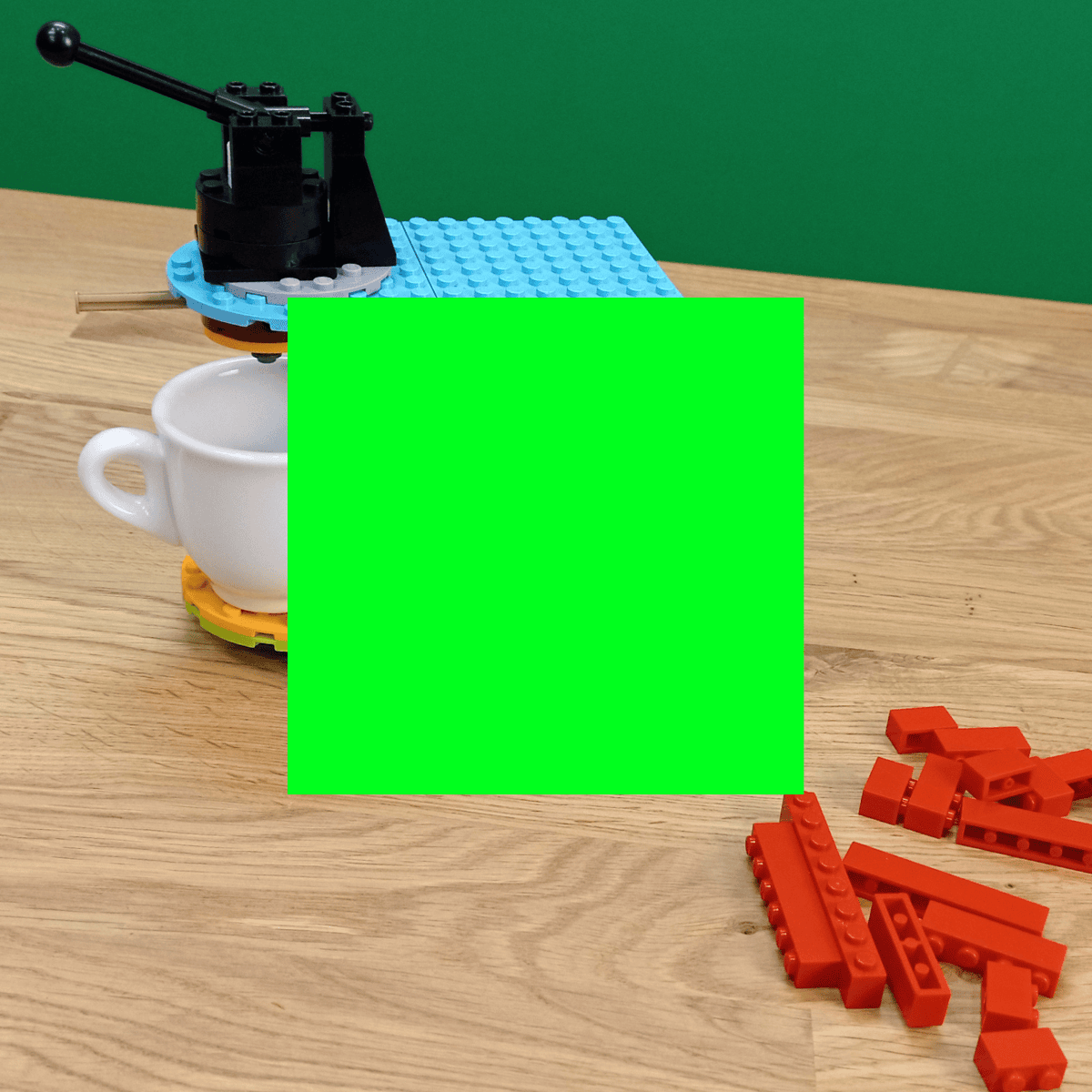
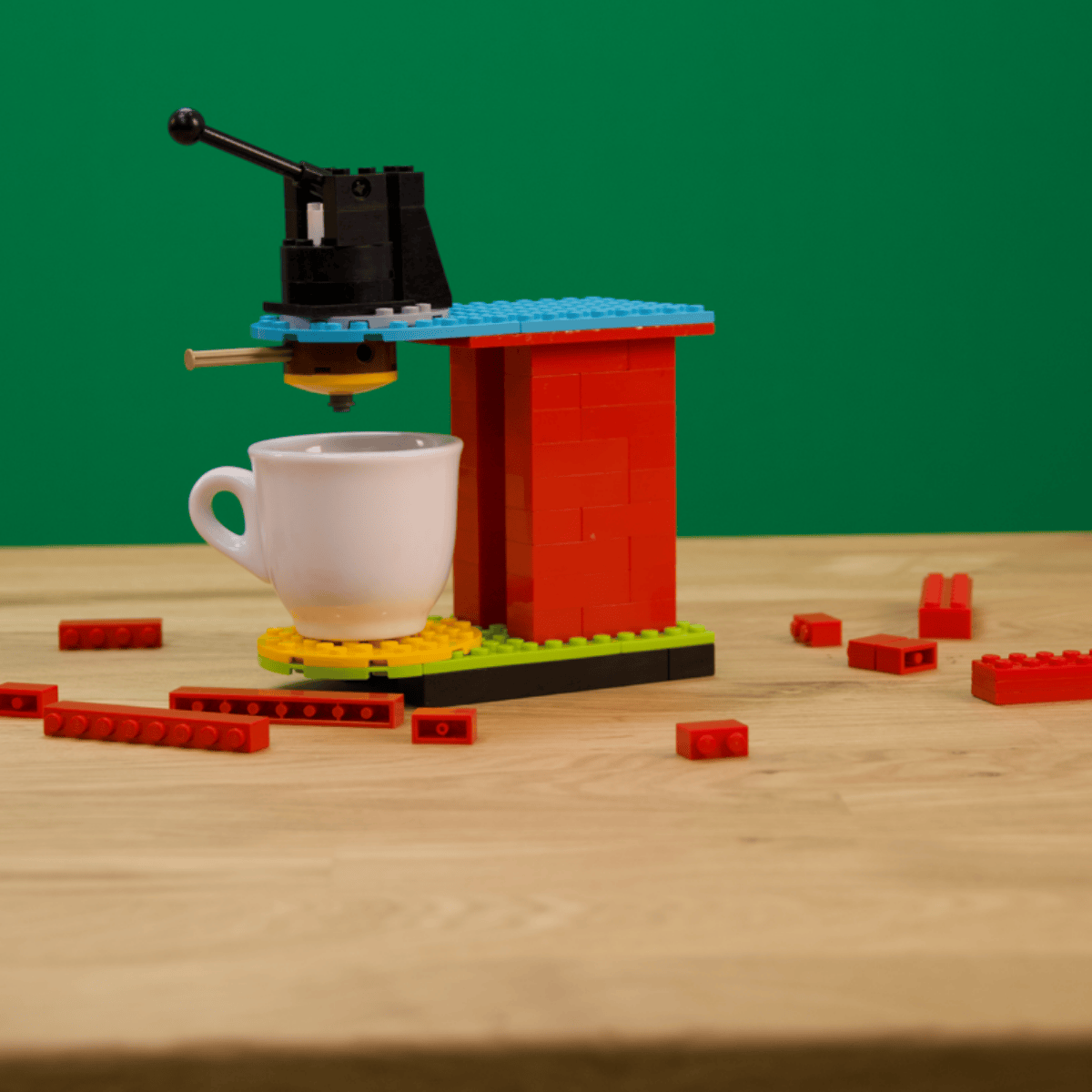
    When I was about nine, my parents gave me a LEGO fire truck. Before I received another LEGO set two years later, I had taken that little apart and rebuilt it in countless variations, until the bricks eventually stopped holding together. What fascinated me wasn’t playing with the truck — it was building it, taking it apart, inventing new versions, and improving it. The number of bricks was limited (none could be lost), but the ideas were endless. I don’t know if LEGO itself is the reason I do what I do now (probably not), but I’m certain it planted the seeds of creativity in me — creativity that isn’t just for its own sake, but a means of creating real value.

    Today I’m working on an espresso machine that, beyond making great coffee, is also about creating value — and having fun. But it won’t be for everyone. It’s for those who, like me, enjoy the process of making and creating — boys and, I’m sure, plenty of girls too .

  • You are never ready

    You are never ready

    I also fell into this ugly trap. After I decided to start my latest project, I was faced with a long to-do list. Of course, some tasks were important and necessary, but one of them was dangerous—precisely because it was hidden.

    First, I had to say goodbye to my previous project (this was the hardest step). Then I needed to clarify what I expected from the new project, consider the strategy, and plan its execution. I began acquiring new knowledge and building relationships with new people.

    I love podcasts and audiobooks. While working in my workshop, I listen to insightful advice from people who are wiser than I am. This continually reminds me of how much I still do not know and how much I still need to learn. Yet, this desire to learn became a trap—it kept me from delivering what truly mattered. To design and build the espresso machine.

    Have you ever felt trapped like me?In moments like this, only one (for me, rather brutal) realization helps: Shipping is more important than being ready.
    Being “ready” does not exist.