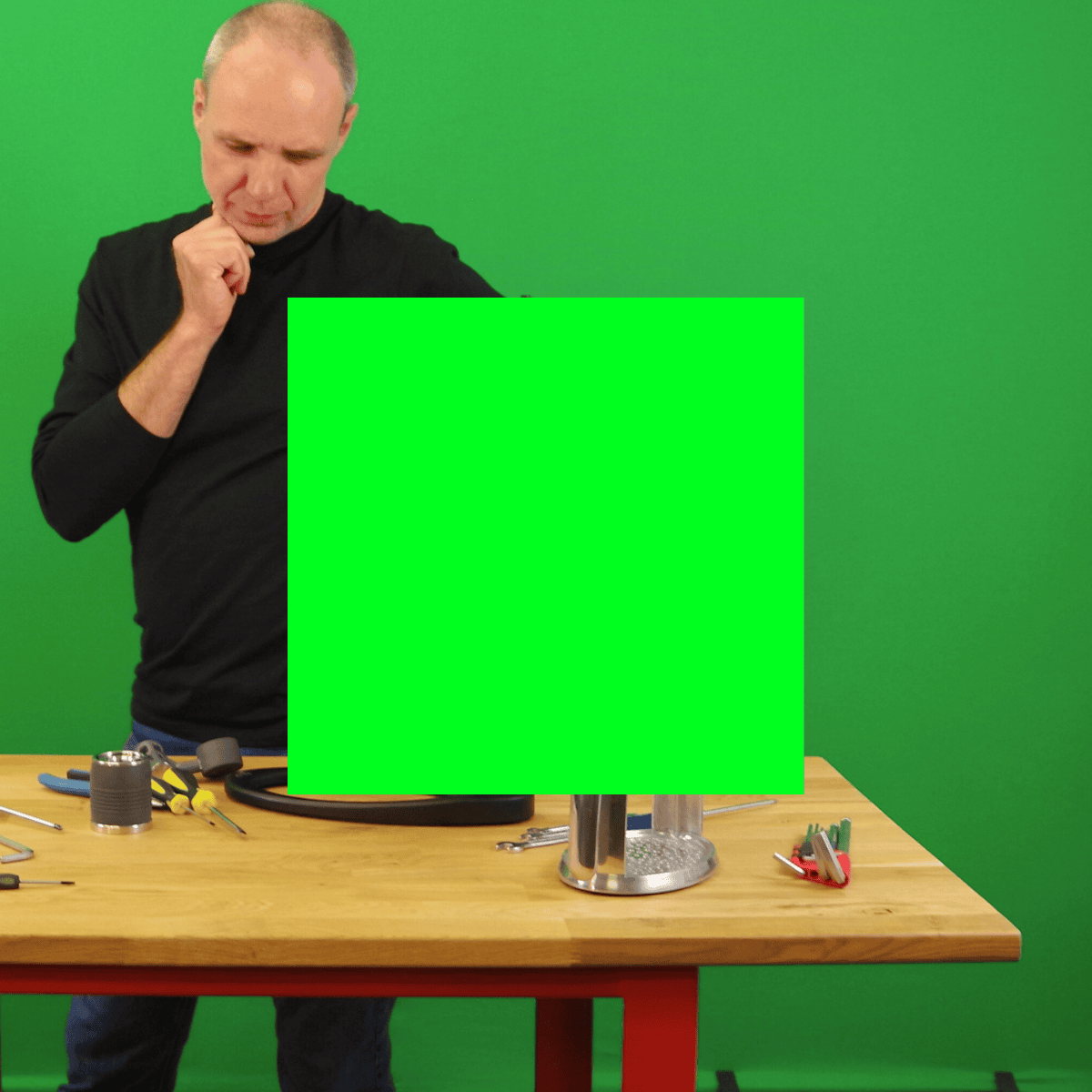
There’s something unsettling about having your competitors’ products sitting on your workshop desk. Not because I’m planning to copy them – quite the opposite. Each one is teaching me exactly what my customers deserve instead.
I won’t name names. That’s not my style, and honestly, it’s not productive. These aren’t bad companies or bad people. But studying their machines with €300 worth of Italian components spread around them, something becomes crystal clear: most of these products were designed by committees trying to hit price points, not by someone asking “what would make a maker proud to use this every morning?”
The patterns emerge quickly. Plastic where metal should be, because plastic tests cheaper. Proprietary parts that force customers into expensive replacement cycles. Assembly processes that feel like following IKEA instructions rather than building something remarkable. Most telling of all: designs that prioritize looking impressive in photos over feeling substantial in your hands.
Every compromise I’m uncovering is actually a specification for what I’m building. Where they chose plastic for cost, I’m speccing metal for the daily ritual. Where they locked customers into their ecosystem, I’m designing for standard Italian components that any serious barista can source. Where they optimized for quick assembly, I’m creating an experience that makes you proud of every decision you made.
This isn’t about building a “better” espresso machine. It’s about building one that turns every morning coffee into a reminder: “I chose every piece of this. I built something that will outlast the trends.” That’s what separates a tool from an investment in your own capability.
Sometimes the best way to innovate isn’t looking forward – it’s understanding exactly what you refuse to repeat.